Eating a balanced diet is one of the best ways to maintain good health, but getting the right nutrients can sometimes be challenging. Busy schedules, limited food variety, dietary restrictions, pregnancy, certain medical conditions and some medications can affect your nutritional needs.
This is why many Nigerians search for the best vitamins and supplements for adults in Nigeria. From vitamin C and vitamin D to iron, folic acid and multivitamins, there are many products available. However, not everyone needs every supplement.
The right choice depends on your diet, age, health condition and whether you have a confirmed nutrient deficiency. This guide explains common vitamins and supplements, their benefits, food sources and important safety considerations.
1. Vitamin D: For Bones and Muscle Function
Vitamin D helps the body absorb calcium and supports healthy bones, teeth and muscles. The body can produce vitamin D when the skin is exposed to sunlight, and smaller amounts can come from foods and supplements.
Although Nigeria has plenty of sunshine, this does not guarantee that everyone has adequate vitamin D. Spending most of the day indoors, covering most of the skin, having certain medical conditions and other factors can affect vitamin D status.
Food sources include:
Oily fish, such as sardines and mackerel.
Egg yolks.
Vitamin D-fortified foods, where available.
A vitamin D supplement may be appropriate for someone whose intake is inadequate or who has an increased risk of deficiency. Ask a healthcare professional whether supplementation is necessary and what dose is suitable. Avoid taking high doses without medical advice.
2. Vitamin C: For Normal Immune Function and Wound Healing
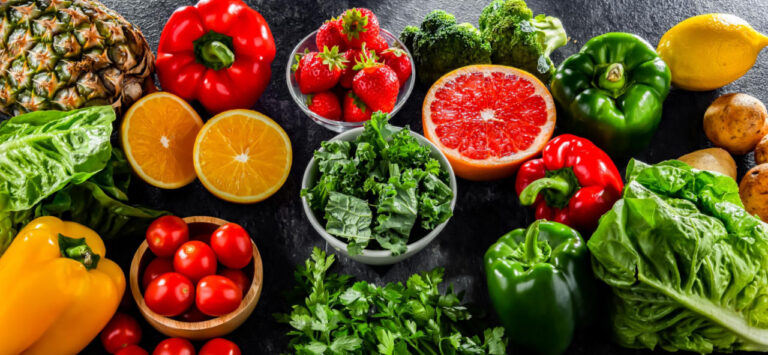
Vitamin C is an essential nutrient that supports normal immune function, collagen production, wound healing and the absorption of iron from plant-based foods.
Many everyday foods provide vitamin C, making it possible for adults to obtain enough without taking a supplement.
Good food sources include:
-
Oranges and tangerines.
-
Guava.
-
Pawpaw.
-
Tomatoes and peppers.
-
Vegetables such as broccoli.
Vitamin C supplements may help people whose diets do not provide enough of this nutrient. However, taking large amounts does not guarantee stronger immunity or prevent every infection. High doses can cause stomach discomfort and diarrhoea.
3. Iron: For Red Blood Cell Production
Iron helps the body produce haemoglobin, the protein in red blood cells that carries oxygen. When iron levels become too low, iron deficiency can develop and may lead to anaemia.
People with heavy menstrual periods, pregnant women and individuals with certain gastrointestinal conditions may be at increased risk of iron deficiency.
Foods that provide iron include:
-
Beans and lentils.
-
Meat and fish.
-
Iron-fortified cereals, where available.
-
Dark green leafy vegetables.
Iron supplements are useful when deficiency is identified or supplementation is otherwise recommended. However, tiredness alone does not prove that you need iron. A healthcare professional may recommend blood tests to determine the cause of your symptoms.
Important: Excess iron can be harmful, and iron supplements can interact with some medicines. Do not take them routinely without understanding your needs.
4. Vitamin B12: For Nerves and Red Blood Cells
Vitamin B12 helps maintain healthy nerve function and supports red blood cell formation. A deficiency can cause fatigue, anaemia and neurological problems.
People who follow strict vegan diets may be at increased risk because naturally occurring vitamin B12 is found mainly in animal-derived foods. Older adults and people with certain digestive conditions may also have difficulty absorbing it.
Food sources include:
-
Fish and meat.
-
Eggs.
-
Milk and other dairy products.
-
Fortified foods containing vitamin B12.
If you have a deficiency, a healthcare professional can recommend an appropriate supplement and determine whether tablets or another form of treatment is needed.
5. Folic Acid: Especially Important Before and During Pregnancy
Folic acid is the form of vitamin B9 used in supplements and some fortified foods. Folate helps the body produce DNA and new cells.
People who may become pregnant should discuss folic acid supplementation with a healthcare professional. Taking the recommended amount before conception and during early pregnancy helps reduce the risk of neural tube defects in the developing baby.
Beans, leafy green vegetables and other foods provide folate, but food alone may not provide the recommended amount for pregnancy-related prevention.
The appropriate dose depends on individual circumstances. People with certain medical risk factors may need a different dose under professional guidance.
6. Multivitamins: Are They Necessary for Every Adult?
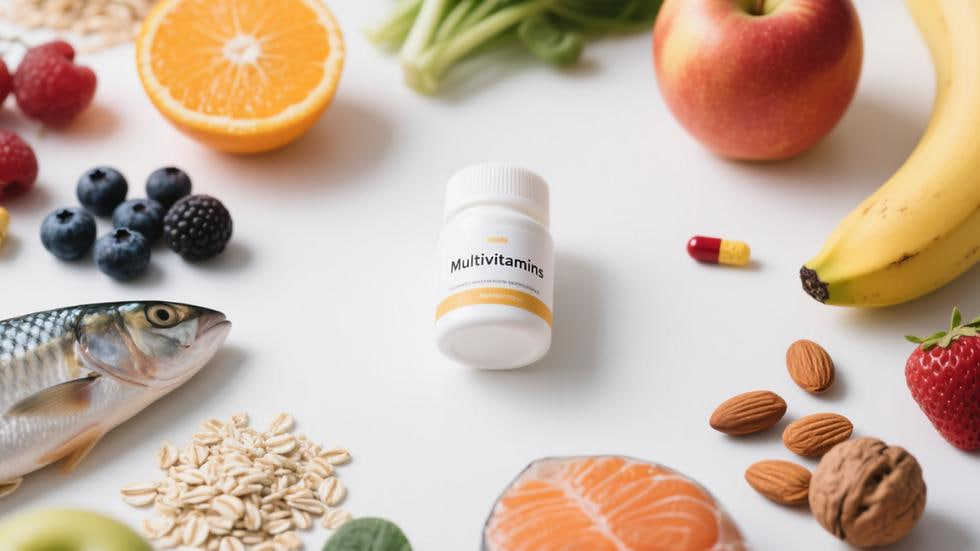
Multivitamins combine several vitamins and minerals in one product. They may be helpful for people whose diets are limited or who have specific nutritional requirements.
However, a multivitamin is not a substitute for a balanced diet, and taking one does not automatically prevent illness or correct every nutritional deficiency.
Before choosing a multivitamin, consider your diet, age, health needs and other supplements or medicines you take. Compare the ingredient list and amounts instead of assuming that a product with more ingredients is better.
Be particularly careful about combining multiple supplements that contain the same nutrients, as this can result in excessive intake.
How to Choose the Right Vitamins and Supplements in Nigeria
Before buying vitamins and supplements, follow these practical steps:
Assess your diet. Include a variety of fruits, vegetables, beans, whole grains, eggs, fish and other nutritious foods.
Identify your needs. Your age, pregnancy status, dietary pattern and medical history can influence which nutrients you need.
Seek professional advice. A pharmacist or doctor can help you decide whether supplementation or testing is appropriate.
Check the label. Review the ingredients, dosage instructions, expiry date and manufacturer information.
Buy from a reputable source. Choose properly labelled products from trustworthy pharmacies and check applicable Nigerian regulatory information, including NAFDAC registration where relevant.
Avoid megadoses. Excessive amounts of certain vitamins and minerals can cause harm or interact with medicines.
Supplements should be selected to address a genuine nutritional need, not simply because a product is popular or advertised as an energy booster.
Frequently Asked Questions About Vitamins and Supplements
Which vitamins are best for adults in Nigeria?
There is no single best vitamin for everyone. Vitamin D, vitamin C, iron, vitamin B12 and folic acid serve different purposes, but whether you need a supplement depends on your diet and individual circumstances.
What vitamins can help with tiredness?
Tiredness can have many causes, including poor sleep, anaemia, thyroid problems and other medical conditions. Correcting a confirmed nutrient deficiency may help, but taking vitamins without identifying the cause may not resolve the problem.
Can I take vitamin C and vitamin D together?
These supplements can generally be taken together at appropriate doses, but your total intake, medical history and other medicines should be considered. Ask a healthcare professional if you are unsure.
Should adults take multivitamins every day?
Not necessarily. Some adults may benefit from supplementation, while others can meet their nutritional needs through food. Daily use should depend on individual requirements and product instructions.
Conclusion
Choosing the best vitamins and supplements for adults in Nigeria starts with understanding what your body actually needs. Vitamin D supports bone health, vitamin C contributes to normal immune function, iron helps produce red blood cells, vitamin B12 supports nerve health, and folic acid is particularly important around pregnancy.
A balanced diet remains the foundation of good nutrition. Supplements can be useful when dietary intake is inadequate or a healthcare professional identifies a specific need, but more is not always better.
For questions about available vitamins and supplements, contact Kerion Pharmacy Gowon Estate to enquire about products and speak with a qualified pharmacy professional about appropriate options.